
A Guide to the Iconic Golden Circle Geothermal Area
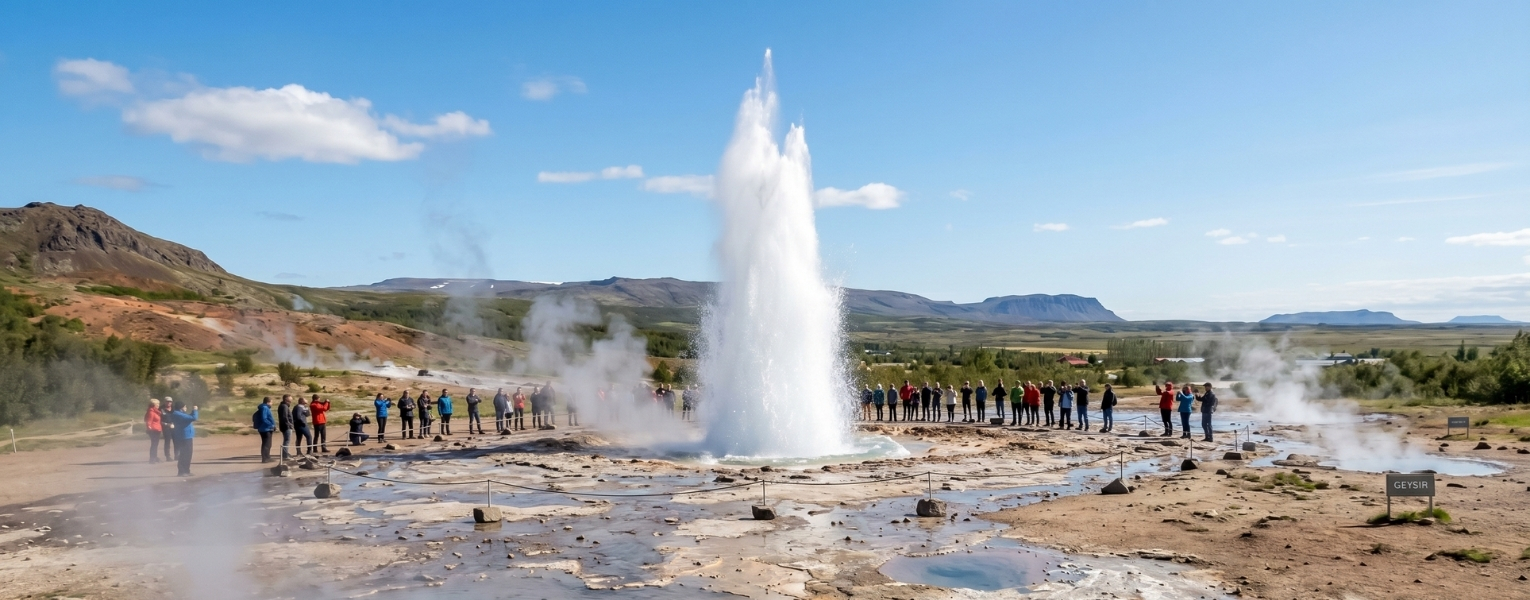
Witnessing the explosive power of Geysir Iceland is a foundational experience for any traveler visiting the Land of Fire and Ice. Located in the Haukadalur Valley, this geothermal field is home to the world-famous “Great Geysir”—the namesake for all other geysers on Earth. While the original Geysir erupts infrequently today, its younger neighbor, Strokkur, puts on a spectacular show every few minutes, blasting boiling water high into the Arctic air. At Holiday Moods, we consider this a mandatory stop on the Golden Circle, perfectly complemented by a night of Northern Lights hunting once the sun sets over the volcanic horizon.
The Spectacle of the Haukadalur Geothermal Field
The Geysir Iceland area is a vivid display of the earth’s inner heat. As you walk through the Haukadalur Valley, the ground hisses with steam, and the smell of sulfur fills the air, reminding you of the active tectonic forces beneath your feet.
Strokkur: The Most Reliable Eruption in the North
While travelers flock to see the “Great Geysir,” it is Strokkur that provides the consistent thrills.
- The Eruption: Every 5 to 10 minutes, the water column bulges into a beautiful turquoise bubble before exploding 20 to 40 meters into the sky.
- Photography Tips: Because the eruption is sudden, we recommend using a high shutter speed or “burst mode” on your camera to capture the exact moment the water breaks the surface.
The Great Geysir: The Namesake of All Geysers
Though it has been largely dormant in recent years, the Great Geysir remains a site of historical and geological significance. It was the first geyser described in printed European sources, and its name comes from the Old Norse verb geysa, meaning “to gush.” For a deeper look into the geological history of the region and current safety alerts, you can visit the Official Visit Iceland portal.
Planning Your Visit to the Geysir Area
Located approximately 100 kilometers from Reykjavík, the Geysir geothermal area is highly accessible and usually visited alongside Gullfoss Waterfall and Thingvellir National Park as part of the “Golden Circle” route.
- Safety in a Geothermal Zone
The water in the bubbling mud pots and pools around Geysir can reach temperatures of 100°C (212°F). It is vital to stay within the marked pathways and respect the rope barriers. The steam can shift with the wind, so always be mindful of your surroundings when waiting for an eruption.
- Facilities and the Geysir Center
Directly across from the geothermal field, the Geysir Center offers a range of services, including traditional Icelandic dining and a boutique shop featuring local wool products. It serves as an excellent base for warming up between sightings or picking up a souvenir before heading deeper into the Icelandic highlands.
Essential Iceland Experiences
Northern Lights Hunting
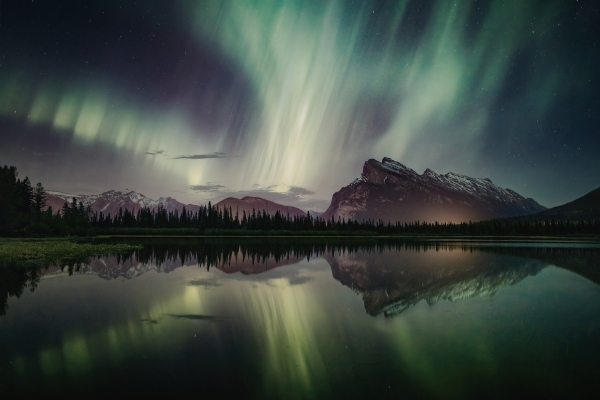
Chase the elusive Aurora Borealis across the Icelandic night sky. A magical display of dancing colors in the Arctic wilderness.
The Blue Lagoon
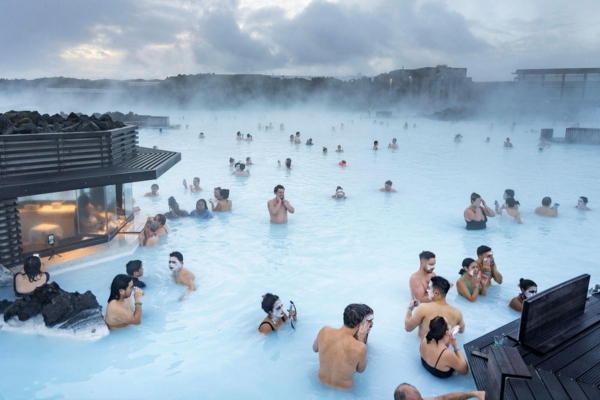
Relax in world-famous geothermal waters surrounded by a dramatic volcanic landscape. Pure rejuvenation in mineral-rich milky blue pools.
Glacier Hiking & Ice Caves
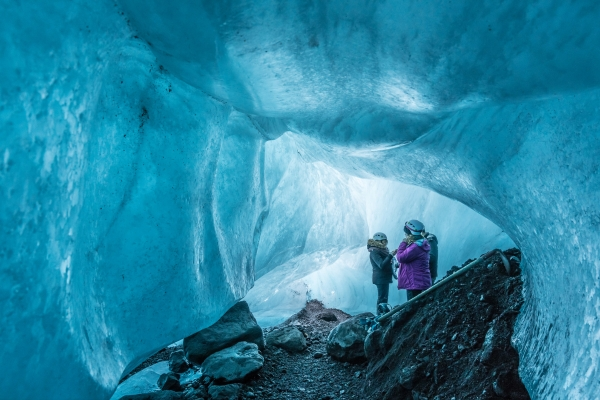
Explore the frozen heart of Europe's largest glaciers. Journey through sapphire-blue ice tunnels and hike across ancient ice caps.
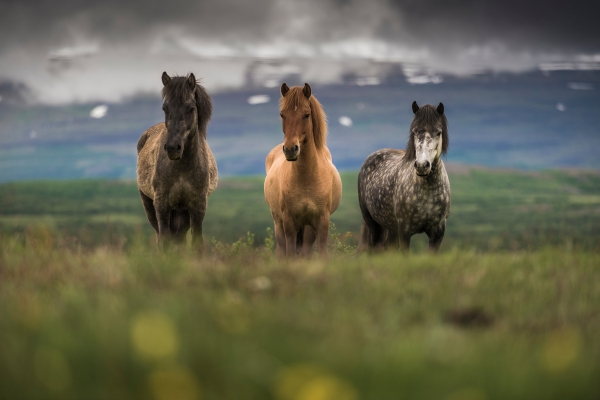
Icelandic Horse Riding
Ride the unique Icelandic horse through lava fields and black sand beaches. Experience the famous 'tölt' gait of these friendly creatures.
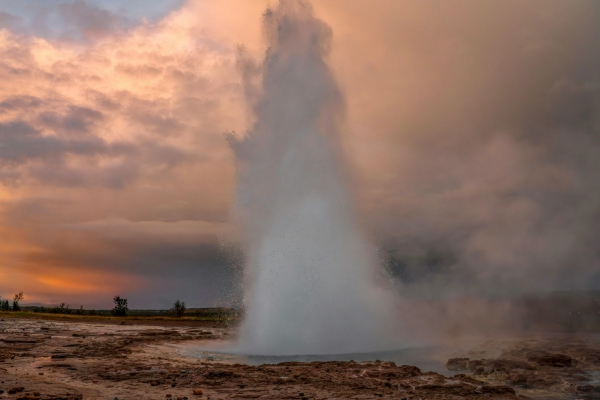
The Great Geysir
Witness the raw power of the earth as Strokkur erupts boiling water 30 meters high. A highlight of Iceland’s legendary Golden Circle.
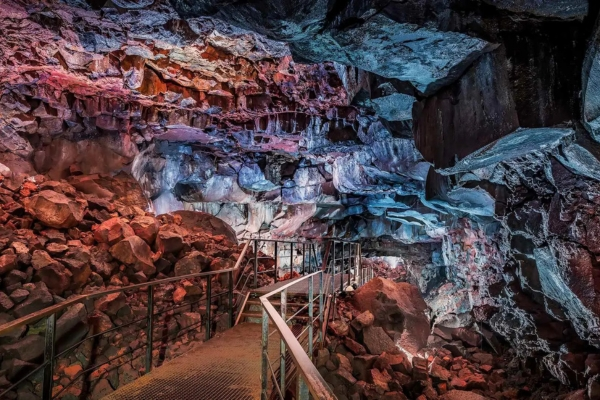
Lava Cave Exploration
Descend into the subterranean tunnels formed by ancient eruptions. Discover the colorful rock formations hidden beneath Iceland's surface.
FAQs
What is the difference between Geysir and Strokkur?
The “Great Geysir” is the oldest known geyser in the area but is currently mostly dormant, erupting only during significant seismic activity. Strokkur is a much more active geyser located just a few meters away, erupting reliably every 5 to 10 minutes. Most visitors who talk about seeing a geyser erupt in Iceland are referring to Strokkur.
How often does the Strokkur geyser erupt?
Strokkur is one of the most reliable geysers in the world, erupting roughly every 5 to 10 minutes. This high frequency makes it a highlight for tourists, as you are almost guaranteed to see multiple eruptions during even a short 30-minute visit to the Haukadalur Valley.
Is it free to visit the Geysir geothermal area in Iceland?
Yes, it is currently free to enter and explore the Geysir geothermal area. While there is no admission fee for the site itself, there is a paid parking area adjacent to the Geysir Center. These funds are used to maintain the pathways and ensure the conservation of the delicate geothermal environment.