
A Guide to the Frozen Interior
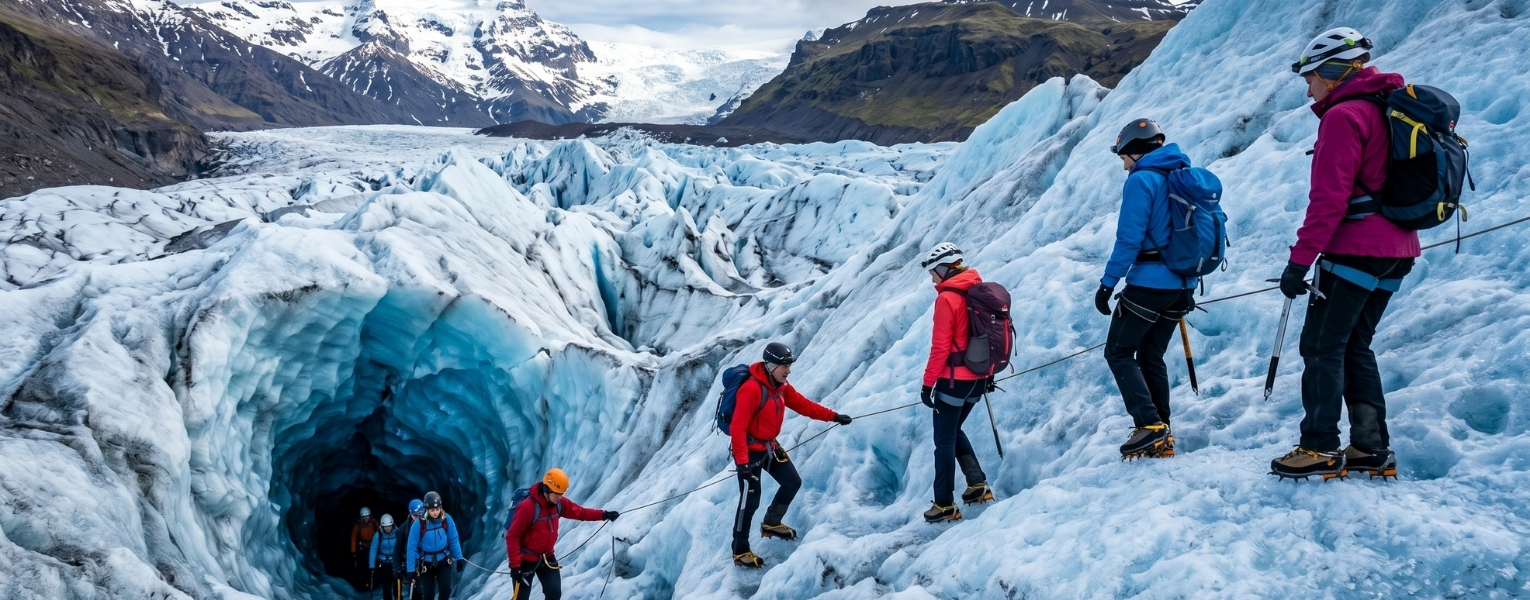
Embarking on a glacier hiking Iceland adventure combined with the thrill of ice caving is the ultimate way to witness the raw power of the Arctic. Iceland is home to some of the most spectacular frozen landscapes on Earth, including Vatnajökull, the largest ice cap in Europe. Walking across the compressed blue ice and entering the crystalline depths of a naturally formed cave offers a perspective on geological history that is truly unparalleled. After a day of exploring these frozen giants, many travelers find the perfect relaxation by visiting the Blue Lagoon to soothe their muscles in geothermal warmth.
Top Destinations for Glacier Hiking and Ice Caving
Iceland’s unique geography, defined by its active volcanoes and massive ice sheets, creates the perfect conditions for a diverse glacier experience.
Vatnajökull National Park: The Crown Jewel
Located in Southeast Iceland, Vatnajökull is a massive plateau that feeds numerous outlet glaciers.
- Skaftafell: This region is the most popular hub for guided trekking. The ice here is rugged, featuring deep crevasses and spectacular views of the Atlantic coast.
- The Crystal Blue Ice Cave: Every winter, unique caves form at the edge of the glacier near Jökulsárlón. These caves are famous for their deep blue transparency and unique light conditions.
The Katla Ice Cave near Vík
Unlike most caves that are only accessible in winter, the Katla Ice Cave is open year-round. Located near the town of Vík, this cave is characterized by a mix of black volcanic ash and blue ice, creating a dramatic aesthetic that tells the story of Iceland’s volcanic eruptions. For official trail maps and safety regulations within these protected areas, you can consult the Vatnajökull National Park website.
Essential Safety and Gear for Your Ice Adventure
Safety is the absolute priority when glacier hiking in Iceland. Because glaciers are constantly shifting, you must never venture onto the ice without a certified guide.
- Technical Equipment: Professional guides provide all necessary gear, including crampons, ice axes, helmets, and harnesses.
- Layered Clothing: Even in summer, the temperature on the ice is significantly lower than in the surrounding valleys. We recommend a moisture-wicking base layer and a windproof/waterproof outer shell.
- Physical Fitness: While “Easy” tours are available for families, most ice treks require a moderate level of fitness to navigate the uneven and slippery terrain safely.
Essential Iceland Experiences
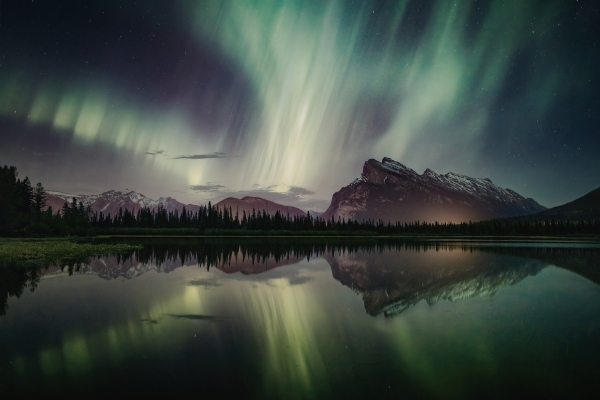
Northern Lights Hunting
Chase the elusive Aurora Borealis across the Icelandic night sky. A magical display of dancing colors in the Arctic wilderness.
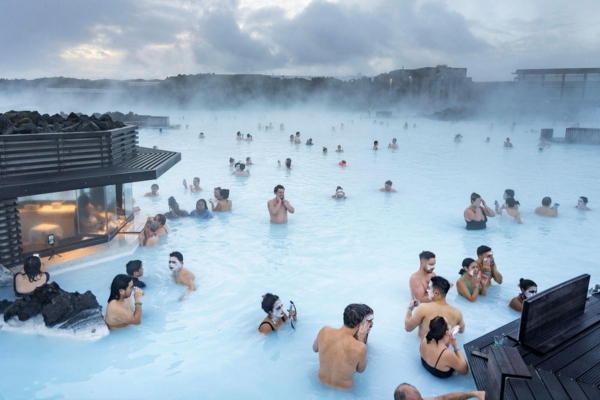
The Blue Lagoon
Relax in world-famous geothermal waters surrounded by a dramatic volcanic landscape. Pure rejuvenation in mineral-rich milky blue pools.
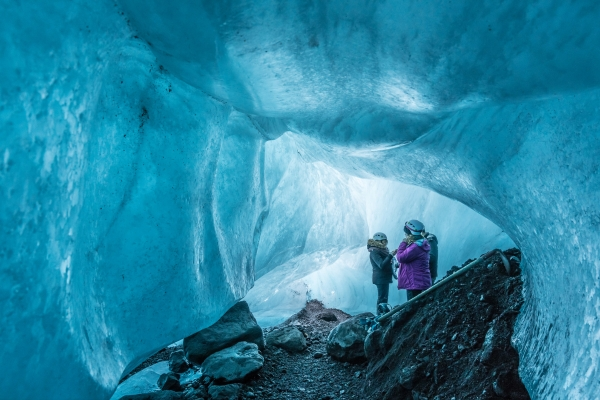
Glacier Hiking & Ice Caves
Explore the frozen heart of Europe's largest glaciers. Journey through sapphire-blue ice tunnels and hike across ancient ice caps.
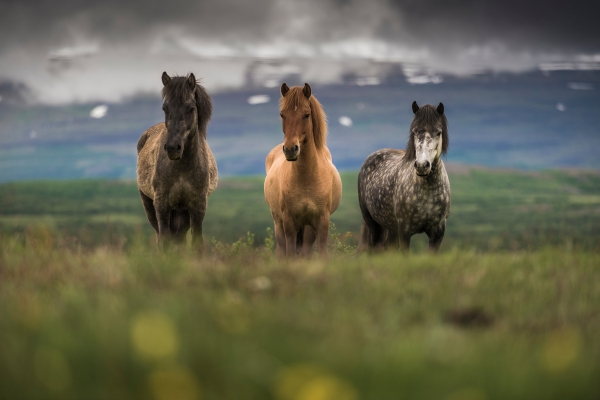
Icelandic Horse Riding
Ride the unique Icelandic horse through lava fields and black sand beaches. Experience the famous 'tölt' gait of these friendly creatures.
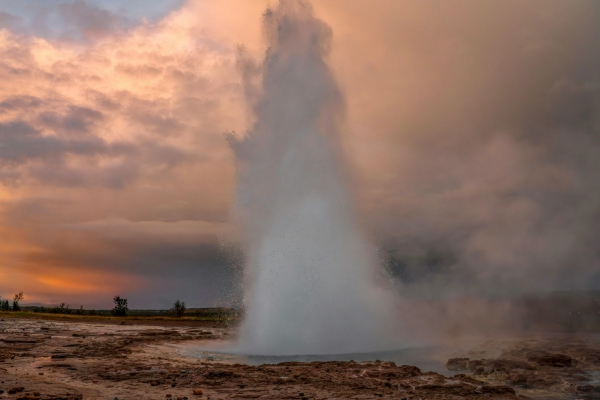
The Great Geysir
Witness the raw power of the earth as Strokkur erupts boiling water 30 meters high. A highlight of Iceland’s legendary Golden Circle.
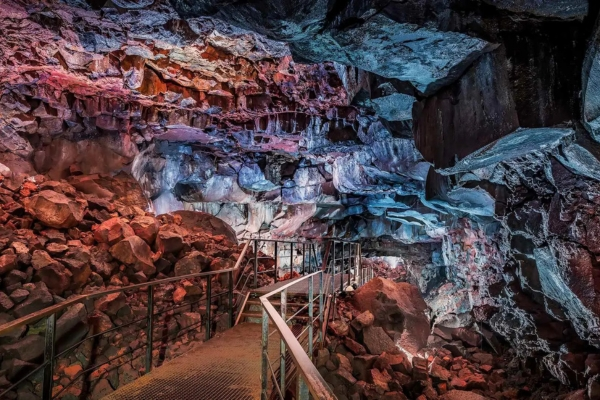
Lava Cave Exploration
Descend into the subterranean tunnels formed by ancient eruptions. Discover the colorful rock formations hidden beneath Iceland's surface.
FAQs
What is the best time for ice caving in Iceland?
The best time for traditional “blue ice” caving in Vatnajökull is from November to March, as the freezing temperatures ensure the caves are stable and safe to enter. However, unique locations like the Katla Ice Cave near Vík are accessible year-round due to their specific geographic formation and more stable ice structure.
Is glacier hiking in Iceland safe for beginners?
Yes, glacier hiking is safe for beginners provided you join a guided tour with a certified mountain guide. Most operators offer “Intro” or “Discovery” treks that require no prior experience. Your guide will provide all safety equipment and instruct you on how to walk correctly with crampons to ensure a secure journey across the ice.
What is the difference between glacier hiking and ice caving?
Glacier hiking involves walking on the surface of the ice using crampons and ice axes to navigate ridges and crevasses. Ice caving involves entering the subterranean chambers that form within or under the glacier. Most premium tours combine both activities, allowing you to hike across the glacier to reach the entrance of a hidden cave.