
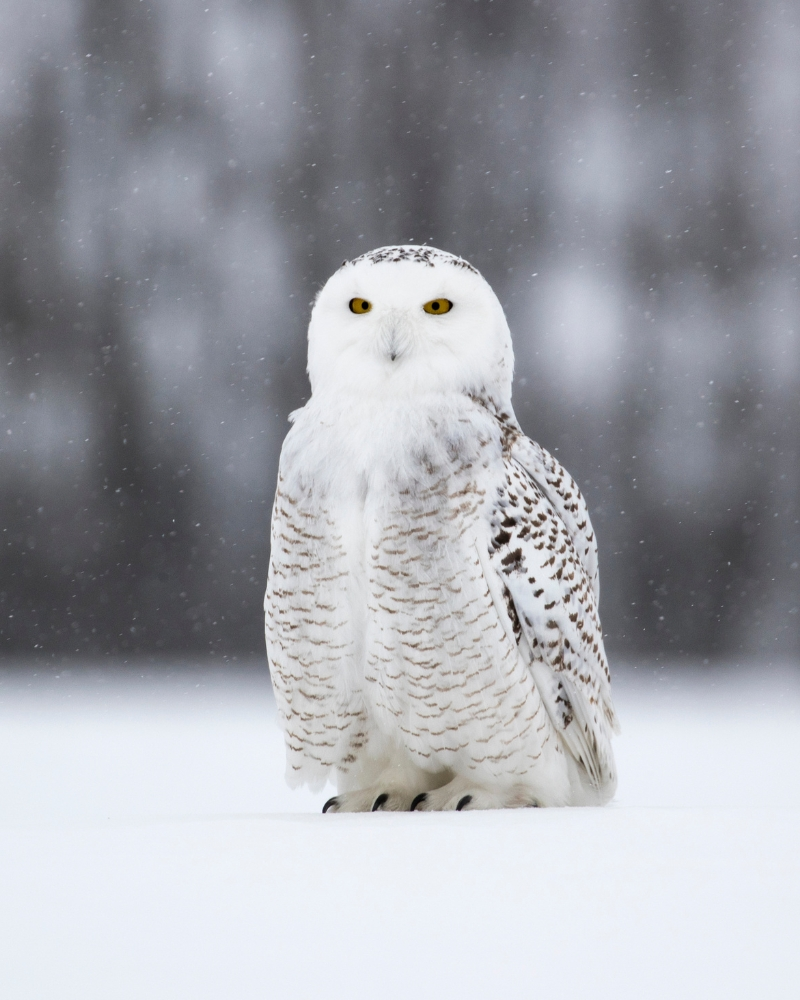
Snowy Owl
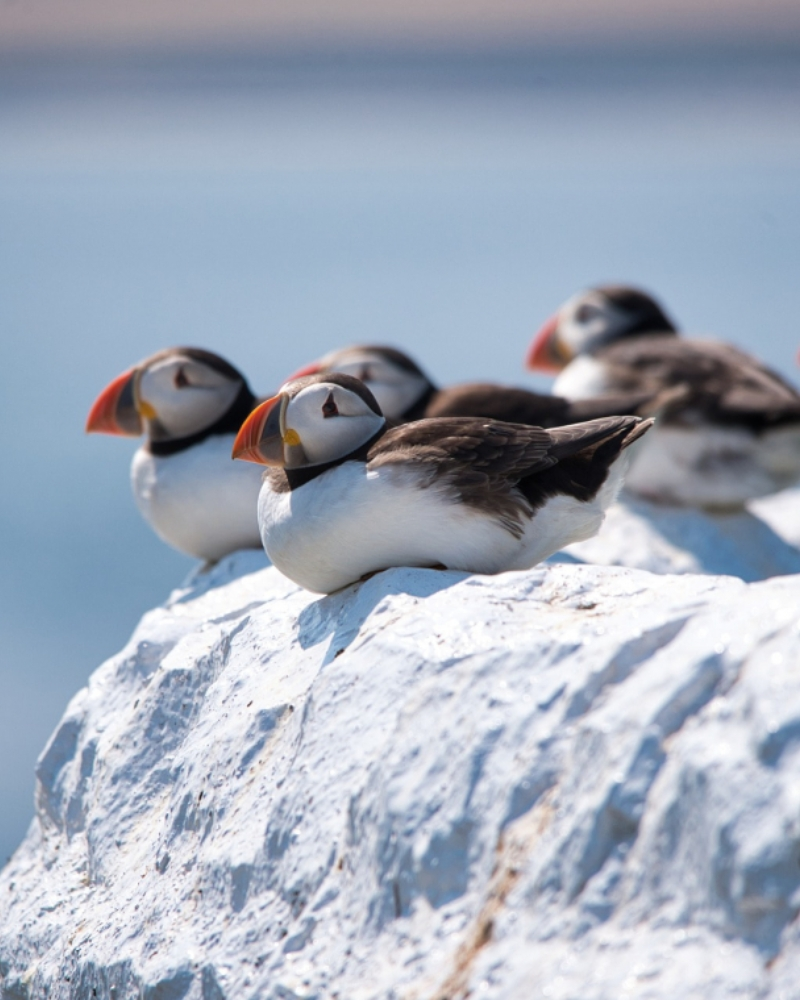
Atlantic Puffin
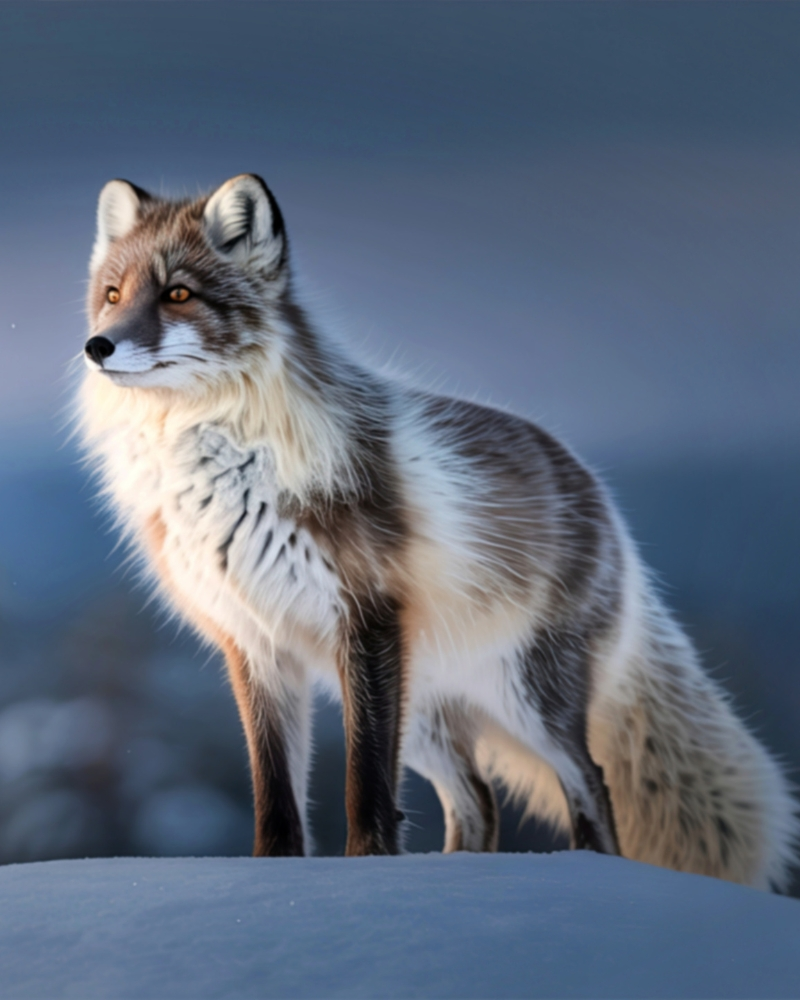
Arctic Fox
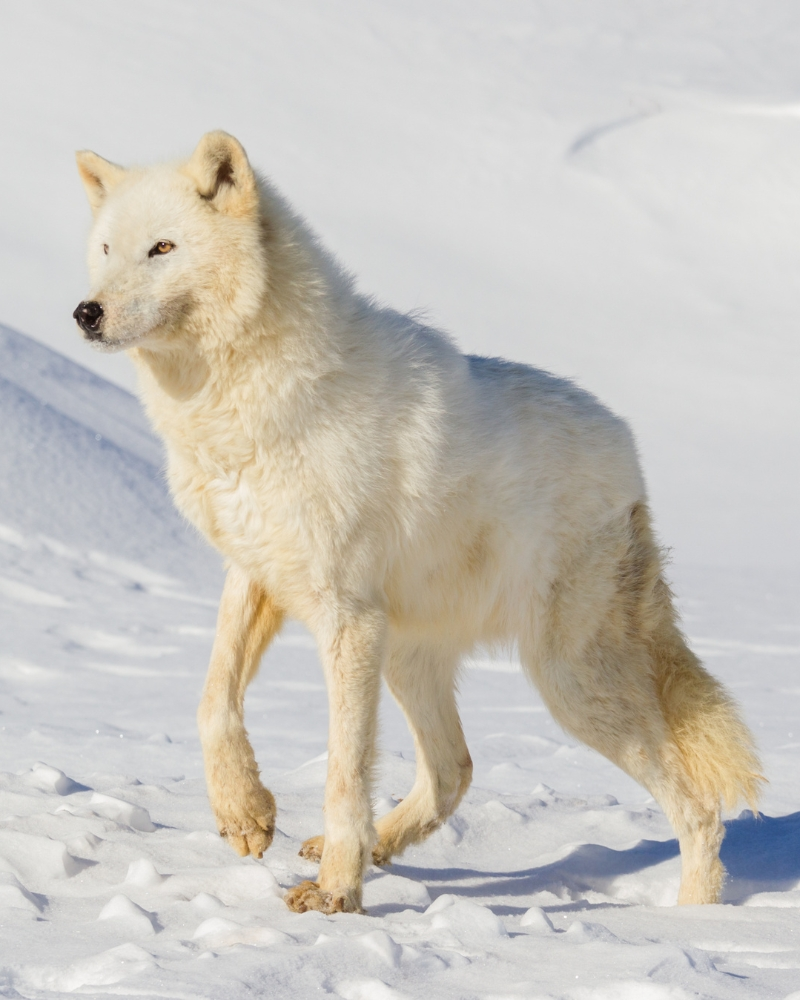
Arctic Wolf
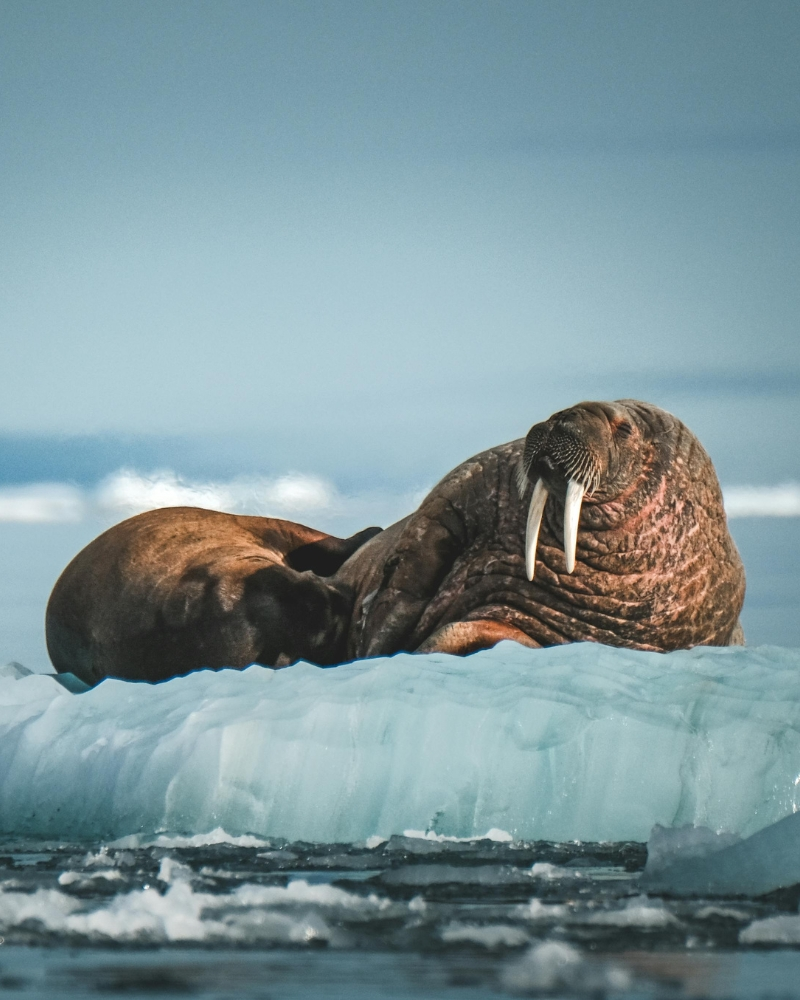
Walrus
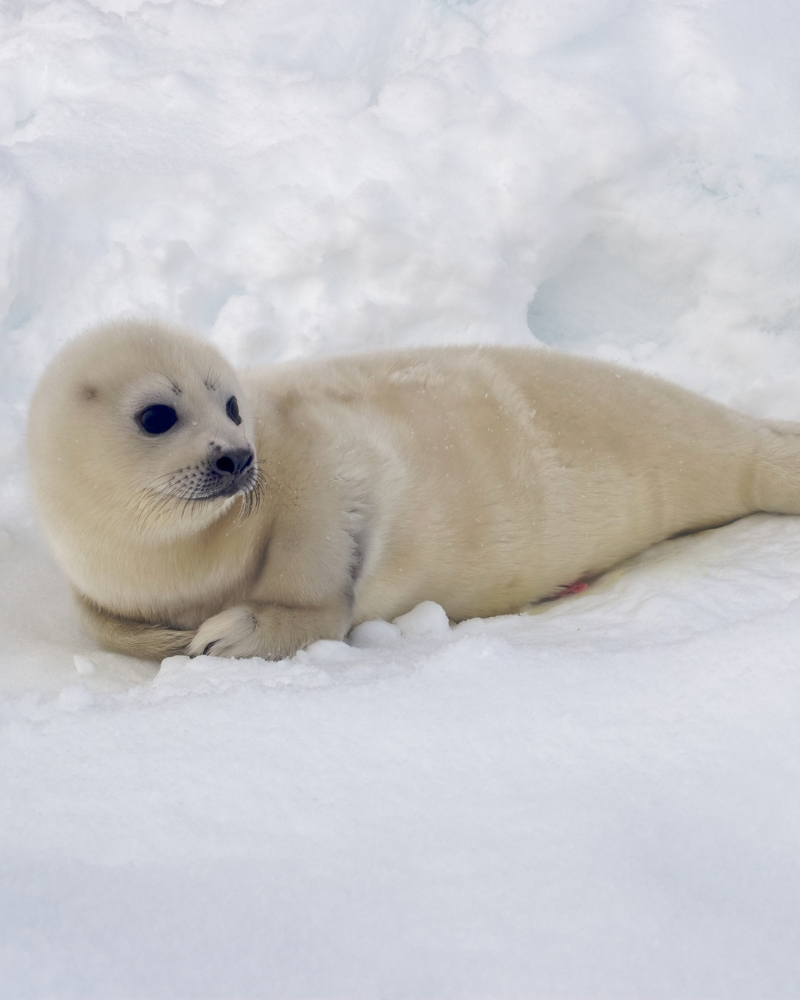
Arctic Seal
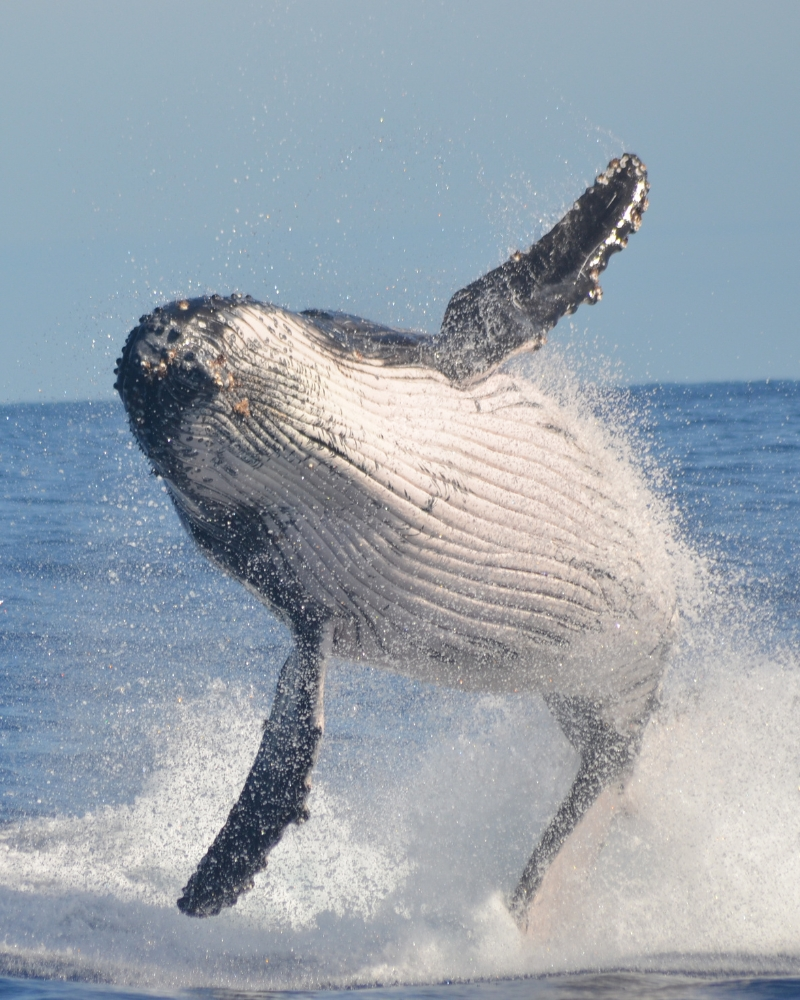
Arctic Whale
A Guide to the Majestic Species of the North
Discovering Arctic wildlife in its natural habitat is one of the most profound experiences a traveler can have. The high latitudes of Norway and Greenland are home to a resilient array of species that have adapted to survive in some of the harshest environments on Earth. From the “King of the Arctic”—the Polar Bear—to the prehistoric Musk Oxen and elusive Arctic Fox, the biodiversity of the North is both fragile and awe-inspiring. At Holiday Moods, we help you plan ethical wildlife encounters that complement your whale watching safaris and Greenlandic sled dog expeditions, ensuring a comprehensive journey through the Arctic’s natural wonders.
Top Destinations for Spotting Arctic Wildlife
To see Arctic wildlife effectively, you must understand the geographic strongholds of each species. While some animals roam the Norwegian mainland, others are found only in the remote reaches of the High Arctic.
Svalbard and Northern Norway: Predators and Prey
Svalbard is the premier destination for high-Arctic sightings. However, for those staying on the mainland, Northern Norway offers incredible accessibility.
- Polar Bears: Svalbard is one of the few places on Earth where you can see Polar Bears in the wild.
- Reindeer and Arctic Fox: These can be found throughout the archipelago and parts of Finnmark.
- Mainland Predators: If you are near Narvik, a visit to Polar Park Norway is essential for seeing wolves and lynx in a semi-wild, protected environment.
Greenland: The Land of the Musk Ox
Greenland’s vast, unpopulated interior is the perfect sanctuary for large land mammals.
- Musk Oxen: These prehistoric-looking giants are most common near Kangerlussuaq. They are often spotted by travelers heading toward the Greenland Ice Sheet.
- Arctic Hares and Ptarmigans: Easily spotted during summer treks through the tundra.
- Marine Life: While trekking the coast, keep an eye out for seals and the giants of the deep, as detailed in our whale watching guide.
Essential Tips for Ethical Wildlife Viewing
When searching for Arctic wildlife, the goal is always to observe without disturbing. Respecting the animals’ space is vital for their survival and your safety.
Guided Expeditions vs. Solo Travel
We strongly recommend guided tours, especially in regions like Svalbard where Polar Bear safety is a legal requirement. Professional guides provide:
- Expert Tracking: Knowledge of migration patterns and seasonal behaviors.
- Safety Equipment: Essential for remote regions and predator territory.
- Educational Context: Insights into how climate change is affecting the Arctic ice caps.
Photography and Equipment
To capture the best shots of Arctic wildlife, a telephoto lens (300mm or higher) is recommended to maintain a safe distance. Always use “silent shutter” modes to avoid startling the animals, especially when photographing socialized species like those at Polar Park.
Top Greenland Experiences
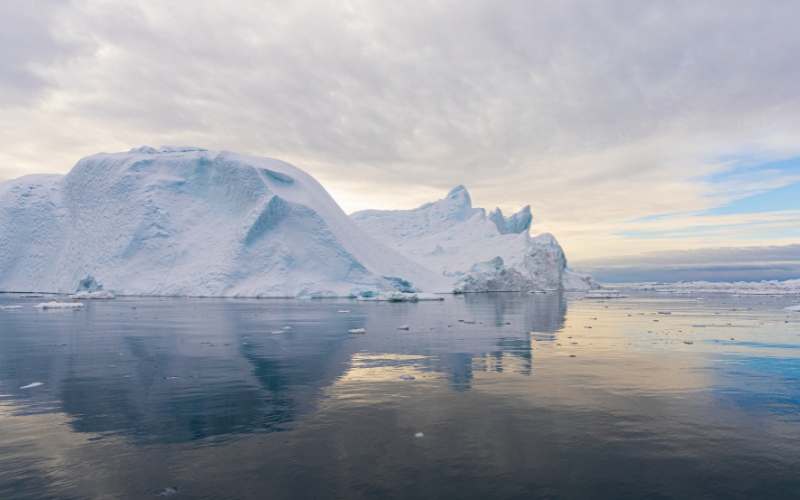
UNESCO Ice Fjord Ilulissat
Witness the birthplace of massive icebergs in this UNESCO site. Explore the fjord's ancient glaciers and spectacular skyscrapers of ice.
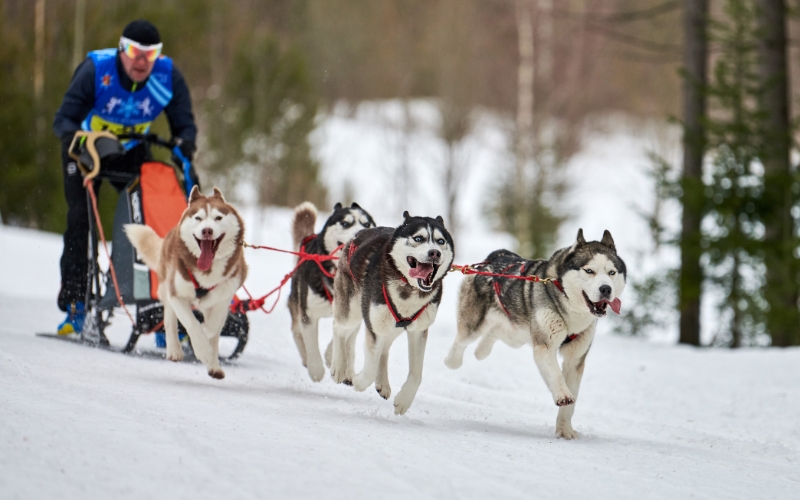
Greenland Sled Dogs
Travel the traditional Inuit way across frozen landscapes. Experience the raw power and heritage of the unique Greenlandic huskies.
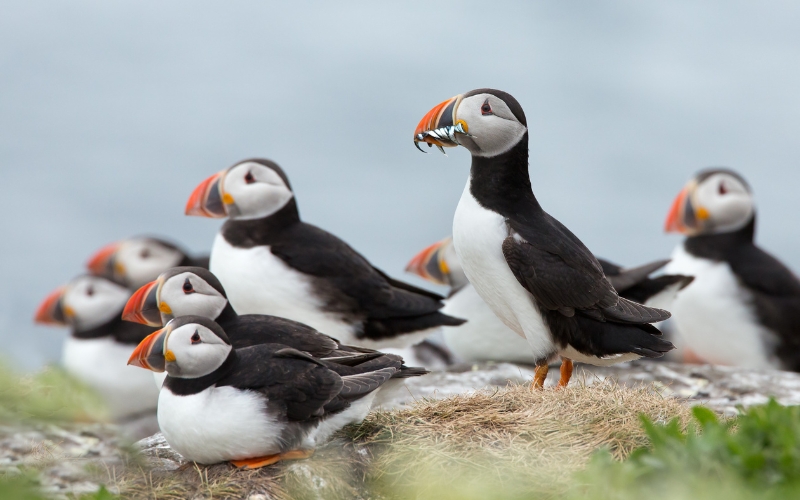
Arctic Wildlife Encounters
Spot polar bears, muskoxen, and reindeer in their natural habitat. Greenland's vast wilderness offers rare wildlife sightings.
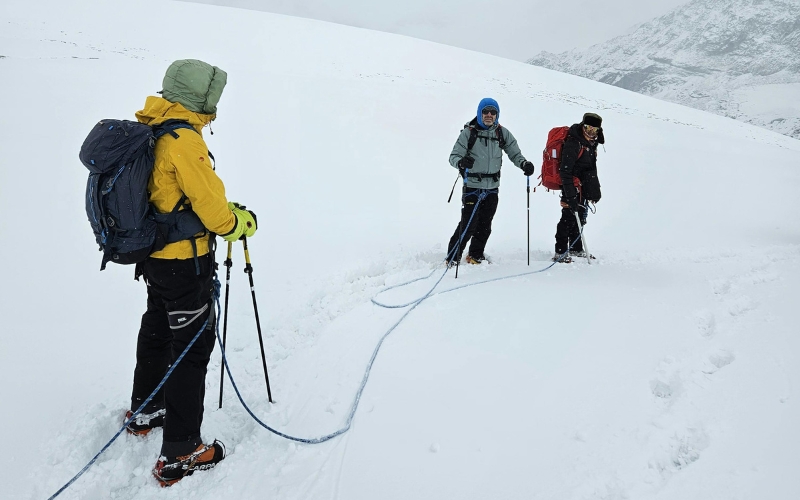
Ice Cap Hiking & Glacier
Walk on the massive Greenland Ice Sheet. A journey to the edge of the world where you can stand atop multi-thousand-year-old ice.
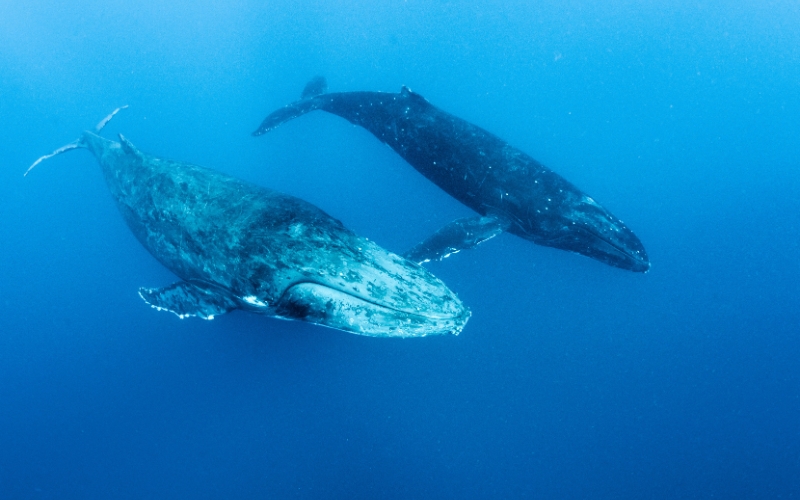
Whale Watching Disko Bay
Encounter majestic Humpback and Fin whales among the icebergs. Disko Bay is the premier spot for marine wildlife cruises.
FAQs
Where is the best place to see Polar Bears?
The best place to see Polar Bears in the wild is the Svalbard archipelago, located halfway between mainland Norway and the North Pole. While they also inhabit Northern Greenland, the infrastructure in Svalbard allows for more reliable boat-based expeditions during the summer months when the pack ice retreats.
What animals can you see in Norway vs. Greenland?
In Norway, you are likely to see Reindeer, Moose, Arctic Foxes, and predators like Wolves and Lynx (especially at Polar Park). Greenland offers unique sightings of Musk Oxen and a higher frequency of Humpback and Fin whales. Both regions are excellent for seeing eagles and various species of Arctic seals.
What is the best time of year for an Arctic wildlife safari?
The best time for an Arctic wildlife safari is during the summer (June to August) for land mammals and birdlife, as the 24-hour daylight provides maximum viewing opportunities. For marine life and Orcas in Norway, the winter months (November to January) are peak season due to the herring migration.